
General Knowledge
Why Does the Purity of PAF-222 [FK-5-1-12] Matter? A Look at the UL Report
A summary of the purity, acidity, water content and residue results for PAF-222 [FK-5-1-12] from the UL report, and what to check before buying.

General Knowledge
PAF-222 [FK-5-1-12] Fire Extinguishing Agent and Its UL Test Results
A summary of the UL Class A and Class B test results for PAF-222 [FK-5-1-12] and why test values are not system design values.

General Knowledge
Why Specify the Fire Class? Understand Fire Types Before Choosing the Right Extinguishing Agent
A summary of why you must identify the Fire Class before choosing an extinguishing agent, along with step-by-step area assessment procedures for factories, electrical rooms, and data centers.

General Knowledge
Fire Classes and PAF-222 [FK-5-1-12]: Which Types of Fire Can It Extinguish?
Explain fire classifications Class A, B, C, D, and K, as well as the guidelines for determining which fire classes PAF-222 [FK-5-1-12] is suitable for.

General Knowledge
Where Does PAFTAO™ Fit? 7 Risk Points Where You Should Install a Fire Suppressing Patch
A compilation of electrical risk areas in homes and offices ideal for installing PAFTAO™, along with a simple guide to choosing the right installation spots

General Knowledge
PAFTAO™ Fire Suppressing Patch: How Necessary Is It? How Does It Differ from Fire Extinguishers and Piped Fire Suppression Systems?
Explain how PAFTAO™ differs from fire extinguishers and piped fire suppression systems, and why they should be used together for multi-layered protection.

General Knowledge
When Should You Refill or Replace FK-5-1-12 Fire Suppression Agent? Signs System Owners Should Know
Summary of 5 cases to consider for refilling or replacing FK-5-1-12 fire extinguishing agent, along with a 10-point checklist before making the decision.

General Knowledge
Can FK-5-1-12 Fire Suppression Agent Degrade Over Time? Signs to Check
Summary of 8 signs indicating that the FK-5-1-12 fire suppression system may be deteriorating, along with basic inspection methods according to the NFPA 2001 standard

General Knowledge
What is NFPA 2001, and how does it relate to FK-5-1-12 fire suppression systems?
Explain what NFPA 2001 is, what it covers, and how it is used as a reference framework for the design, installation, and testing of FK-5-1-12 fire suppression systems.

General Knowledge
Clean Agent FK-5-1-12 Fire Extinguisher Testing
Explain the inspection and testing procedures for the FK-5-1-12 clean agent fire extinguisher across all 7 parts, including the purpose of the test and what should be recorded after the test is completed.
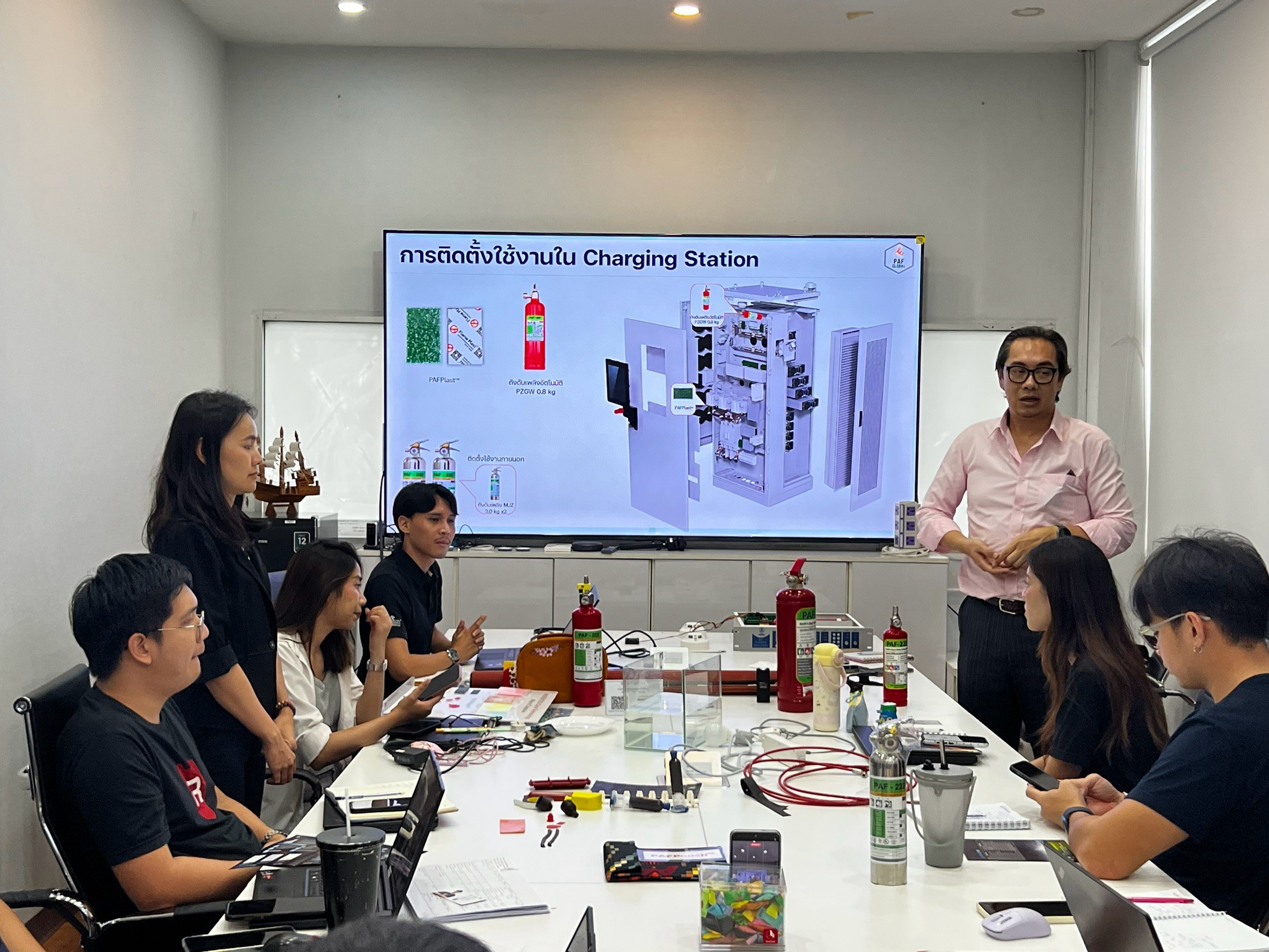
General Knowledge
PAF GLOBAL held a PAF-222 product training session for the Entech Industrial Solution sales team
Describe the organization of the Product Training for PAF-222 Clean Agent (FK-5-1-12) for the Entech Industrial Solution Sales team, covering agent properties, operating processes, and guidelines for presenting fire protection solutions to customers.
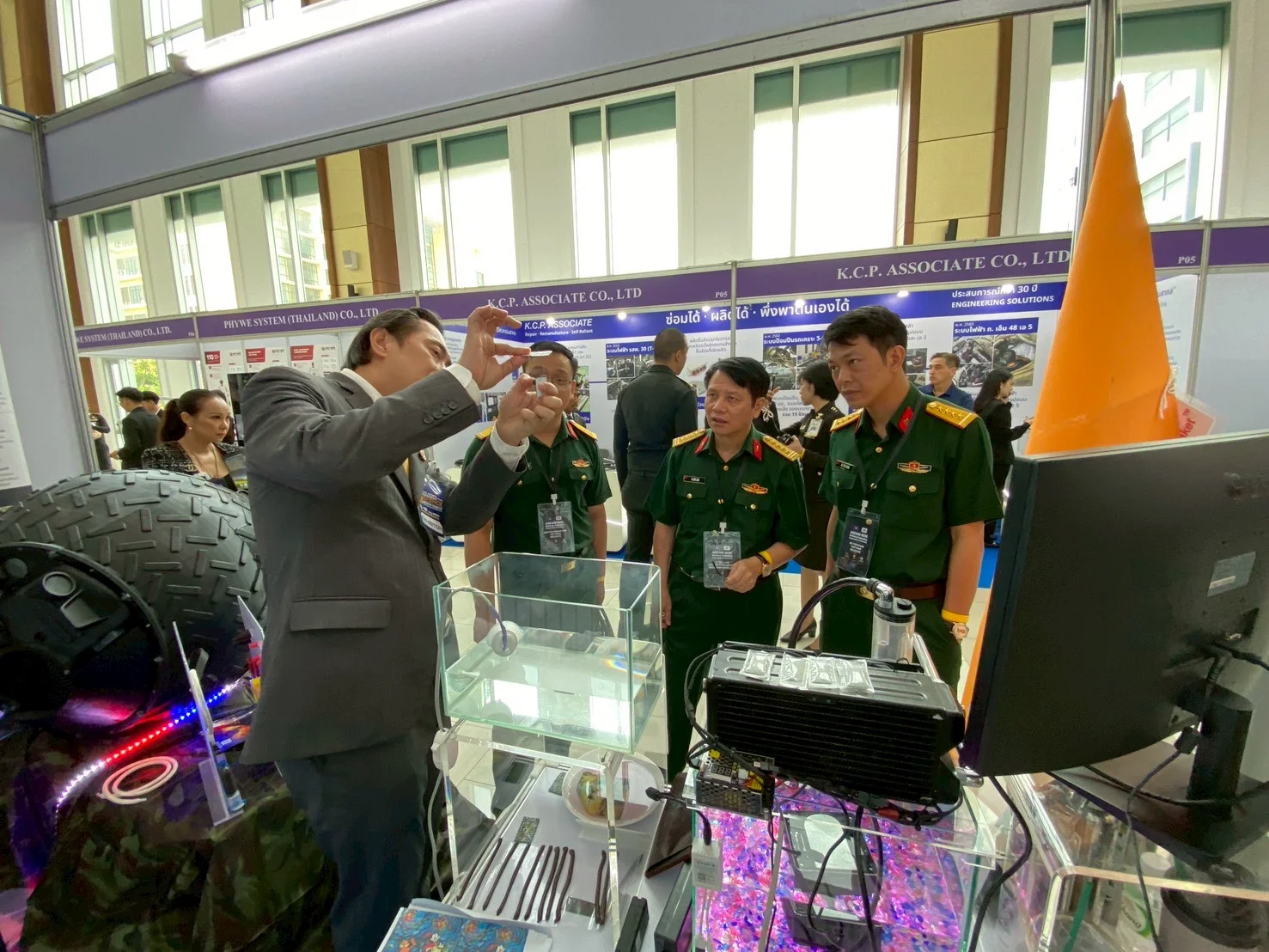
General Knowledge
PAF GLOBAL Exhibits at Thailand Defence Industry Exhibition 2026, Showcasing Safety Innovation and Fire Protection Systems
Describe PAF GLOBAL's participation as an exhibitor at the Thailand Defence Industry Exhibition 2026, showcasing PAF-222 Clean Agent (FK-5-1-12) and innovations in safety and fire protection systems.

General Knowledge
Fire extinguishing equipment laws for buildings
The installation of fire extinguishing equipment in buildings is regulated by Ministerial Regulation No. 39 (B.E. 2537 / 1994) and No. 33 (B.E. 2535 / 1992), with requirements varying based on building type, height, and usable area. This article summarizes key criteria ranging from shophouses to high-rise and extra-large buildings, while explaining why areas with electronic equipment should consider clean agent systems like PAF-222.

General Knowledge
Bus fire extinguisher
Buses must be equipped with at least 2 fire extinguishers, located at the front and rear of the vehicle, in accordance with the Department of Land Transport regulations. This article explains the reasoning behind these requirements, key fire risk areas such as the engine compartment, electrical systems, and batteries, along with a 6-step installation guide and the Clean Agent PAF-222 system option for passenger cabins and control cabinets.

General Knowledge
Fire Suppression Systems for EV Charging Stations: How to Prevent EV Charging Station Fires?
Fire prevention guidelines for EV charging stations, including chargers, electrical rooms, and enclosed areas, with essential insights on Thermal Runaway and Clean Agent systems.

General Knowledge
What is Halon? Why was it replaced by modern fire extinguishing agents? Get to know the alternatives for Clean Agent systems
Explain what Halon is, why it has a high ODP and was phased out, along with Halon alternatives in Clean Agent systems such as FK-5-1-12 and PAF-222.

Standards and Laws
What is a carcinogen-free fire extinguishing agent? How to verify using SDS and Certificate documents
Explain what "carcinogen-free extinguishing agent" means and how to verify it from SDS, Certificate, and Datasheet documents before purchasing a clean agent fire extinguisher for B2B use.

Standards and Laws
What is the difference between PFAS-free and PFAS non-detected? How to read documents before choosing a fire extinguishing agent
Explain the difference between 'PFAS-free' and 'PFAS non-detected' for fire extinguishing agents and clean agent fire extinguishers, along with the documents and test results that should be requested before purchasing.

General Knowledge
Selecting fire extinguishing equipment suitable for the area and hazards
Guidelines for selecting firefighting equipment suitable for each area, including offices, Data Centers, electrical rooms, MDB cabinets, condos, EV Chargers, and factories, based on risk levels.

General Knowledge
PAF GLOBAL: B2B Fire Fighting Equipment Supplier in Thailand
PAF GLOBAL provides consultation and supplies firefighting equipment for B2B applications in Thailand, covering clean agent fire extinguishers and suppression systems for data centers, electrical rooms, MDB cabinets, and specific high-risk areas.

Clean agent fire extinguisher
Clean agent fire extinguishers: Which type is best for electrical equipment and critical areas?
Explain clean agent fire extinguishers, highlighting their key feature of leaving no residue, and compare them with dry chemical, CO2, and foam extinguishers to help choose the right option for electrical equipment and critical areas.

Fire protection system
Clean agent fire suppression system for Data Centers, Server Rooms, and Electrical Rooms
Explain automated clean agent fire suppression systems, how they differ from portable fire extinguishers, and installation methods for data centers, server rooms, and electrical rooms.

Clean agent fire extinguisher
Get to know the replacements for HFC-227ea and FM-200, compared with PAF-222 [FK-5-1-12]
Compare FK-5-1-12 and HFC-227ea (FM-200) clean agent fire suppressants, covering agent types, applications, residues, and environmental aspects.

Clean agent fire extinguisher
What is the difference between Clean Agent and CO2 systems?
Compare Clean Agent and CO2 fire extinguishers in terms of residue, human safety, and suitability for electrical equipment and enclosed spaces.

Fire extinguisher
Clean Agent and Dry Chemical: What is the difference between clean agent and dry chemical fire extinguishers?
Compare clean agent fire extinguishers with dry chemical fire extinguishers, including post-discharge residue, effects on electrical equipment, and maintenance costs.

Clean agent fire extinguisher
What is Perfluorohexanone, and how is it related to FK-5-1-12?
Explain the substance Perfluorohexanone in the fluoroketone group, and its relationship to FK-5-1-12 and PAF-222 in clean agent fire extinguishers.

Clean agent fire extinguisher
What is PAF-222 Clean Agent FK-5-1-12?
Get to know PAF-222, the clean agent fire suppressant FK-5-1-12 that leaves no residue, along with its properties, application areas, and documents to check before purchasing.

Clean agent fire extinguisher
How is a clean agent fire extinguisher suitable for electrical equipment and critical areas?
Explain why clean agent fire extinguishers are suitable for electrical equipment and critical areas, how they differ from dry chemical powder, and what documents should be checked before purchasing.

Clean agent fire extinguisher
What is FK-5-1-12?
Explain the clean agent FK-5-1-12, its relationship with Perfluorohexanone and PAF-222, and its suitable application areas.

General Knowledge
What does non-conductive (Dielectric) mean?
Explain the dielectric or non-conductive property. Why is it important when choosing a fire extinguisher for data centers, electrical rooms, MDB panels, and electronic equipment?

General Knowledge
What is the difference between PAF-222 clean agent and general extinguishing agents, and which one should you choose?
Comparing PAF-222 with Conventional Fire Extinguishers | Price-Pros-Cons of PAF-222: Next-Gen Fire Extinguishing Innovation Comparing PAF-222 with Conventional Fire Extinguishers...

Fire protection system
What type of fire suppression system is best suited for MDB and Control Panels?
MDB electrical cabinet and Control Panel fire suppression systems help prevent fire risks from heat, overload, and deteriorated equipment. Which one should you choose?

Security technology
Fire extinguishers or fire suppression systems for Data Centers, Server Rooms, electrical rooms, and electronic equipment
PAF-222 clean agent fire extinguisher for Data Centers, Server Rooms, electrical rooms, MDB panels, UPS, and electronic equipment. Leaves no chemical powder- Leaves no chemical powder residue.

Security technology
What is PAFPlast™?
PAFPlast™ is an automatic Fire Suppression Patch designed for localized fire prevention in small spaces, such as electrical plugs, EV Chargers, and engine compartments.

Standards and Laws
What are the certifications of PAF-222?
Before purchasing PAF-222, how should you verify the SDS, Datasheet, Certificate, Test Report, and the scope of certification to ensure that the actual product model matches the project documentation?

General Knowledge
What are the elements of fire?
Fire is caused by three main elements: fuel, heat, and oxygen, which combine to create a combustion reaction...

Fire protection system
Different types of clean agent fire suppression systems: Which one to choose for critical areas?
Various types of clean agent fire suppression systems: details as follows. Introduction to clean agent fire suppression systems: clean agent fire suppression systems protect valuable assets in situations where water, powder, or foam extinguishing agents...